Atomic New Age

Introduction: A Non-Typical Martian Tale

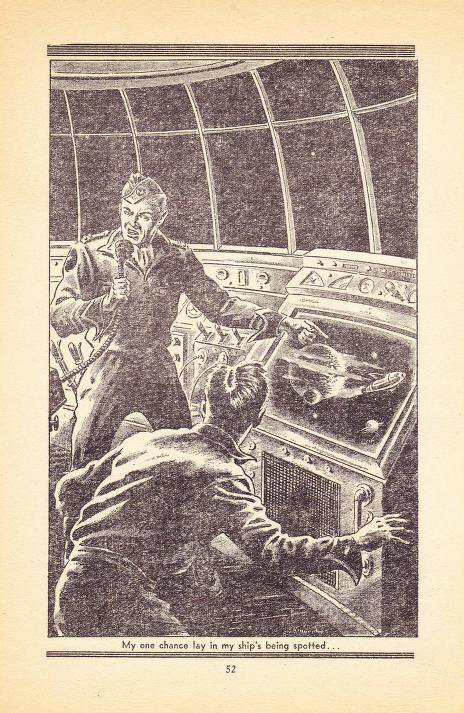
Published in Dynamic Science Fiction during the genre’s mid-century pulp era, Charles Dye’s “Translator’s Error” is a Martian tale of a different sort. During the golden age of science fiction, when humanity looked upon Mars with a blend of ambition and romance, there emerged stories that were far more than simple tales of space adventure. That’s one of them.

Plot Summary of "Translator's Error"

Administrator Potterboy and the newly-appointed historian, McGinnis, arrive on Mars only to find Project Director Grisby utterly devastated. The Martian Rehabilitation Project has just met with a catastrophic failure, for the polar furnaces—designed to melt the ice caps and fill the ancient canals with water—have sunk through the ice and vanished without a trace. Consequently, the team must embark on an urgent tour to ascertain what has gone wrong.

The Hubris of Benevolent Colonialism

“Translator’s Error” presents a savage critique of colonialism, which it cleverly disguises as benevolent development. Crucially, the humans never once question their fundamental premise: that Mars requires fixing and that they possess the correct method to do so.

Potterboy himself conceived the project to “build the solar system into one of the finest in the galaxy”—a classic expression of imperial thinking. His plan is to impose his own vision of “finest,” complete with water, vegetation, and cities, upon other worlds without ever consulting their inhabitants.

Furthermore, the humans never entertain the notion that the native Cones might prefer Mars precisely as it is. They simply assume any intelligent being would favour their own vision of paradise, and the possibility that the Cones achieved a perfect civilisation and then chose to preserve it by eliminating water never occurs to them.

Although the project is presented as altruistic, an endeavour to save a poor, degraded species, it actually constitutes a form of “murder” attempted in good faith. The story argues that good intentions do not excuse harm when those intentions stem from a total misunderstanding of another culture’s needs and values.

A Touch of 50s Pulp

The story first appeared in the pulps alongside more straightforward, adventure-oriented Mars tales. Charles Dye began publishing science fiction in 1950, right in the middle of Mars’s peak within the American imagination. Although scholars had debunked Percival Lowell’s canal theories by the 1950s, the idea of Mars as a dying world with desperate inhabitants persisted in science fiction; as a point of reference, Bradbury’s The Martian Chronicles appeared just two years prior to this story.

In that post-war era, widespread optimism about technology led to concepts of “planetary engineering.” Dye effectively satirises this hubris by demonstrating how such grand projects could prove deadly if based on a profound misunderstanding.

Author: Charles Dye

Charles Dye was born in 1925 and served in the US Air Force during the Second World War. He launched his science fiction career with “The Last Orbit” in the February 1950 issue of Amazing Stories and remained active for less than half a decade. In 1952, he published his sole SF novel, Prisoner in the Skull, which centres on thriller-like confrontations between ordinary Homo sapiens and a form of Superman.

Dye was also briefly married (1950-1953) to Katherine MacLean, who later became one of the field’s most respected authors. Notably, MacLean wrote both “The Man Who Staked the Stars” and “Syndrome Johnny” under his name.

My Thoughts

“Translator’s Error” belongs to that potent subgenre of science fiction built around a “conceptual breakthrough”—stories where both characters and readers must radically revise their understanding of reality. These narratives use the genre’s tools to explore the very limits of human understanding. The central insight here is that good faith cannot prevent catastrophe when understanding fails. Indeed, the humans are rather sympathetic figures; they are educated, well-intentioned, and genuinely wish to help.

Moreover, Dye grasps a deeper truth about first contact: the real difficulty lies not in hostile aliens, but in truly alien minds. Creating bug-eyed monsters is simple, but crafting a species so different that “water is death” requires more effort—and makes the philosophical point far more powerful.

Wrapping Up

In the end, “Translator’s Error” is so twisting precisely because everyone means well. Potterboy desires to rehabilitate Mars, Grisby is heartbroken by his failure, and McGinnis approaches events as an objective historian. The tale has no real villain; rather, it features conscientious people who are catastrophically wrong about the nature of reality. The humans spend billions, labour for eighteen years, and apply their best science, yet they nearly commit an extinction while convinced they are saving a species. The gap between their intention and the actual effect could not be more absolute.

The title itself is the final, bitter irony. There was no translator to make an error. There was only an untranslatable difference—a biological, psychological, and philosophical chasm that no technology or goodwill could bridge. The story stands as a stark reminder that good intentions are not enough. Without the humility to imagine we might be wrong, we shall inevitably harm what we seek to help.


Other stories from Dynamic Science Fiction

I Am Tomorrow

Blunder Enlightening

Blood Lands

Public Enemy

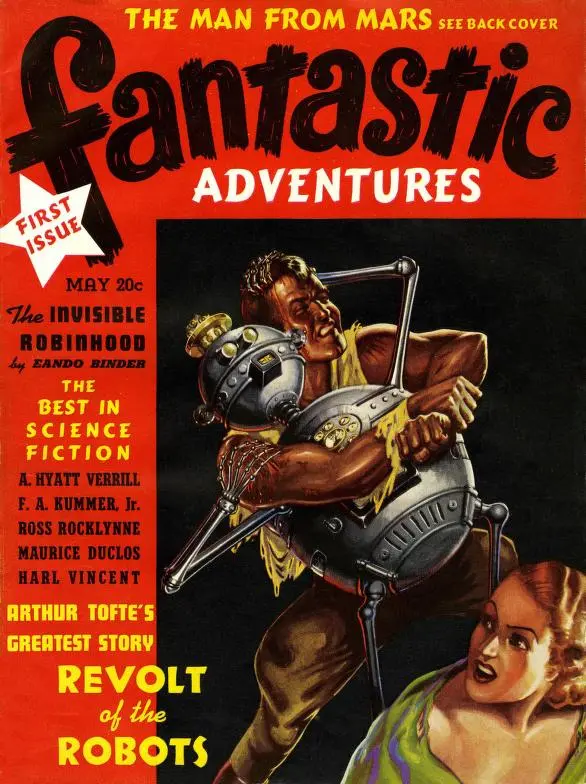
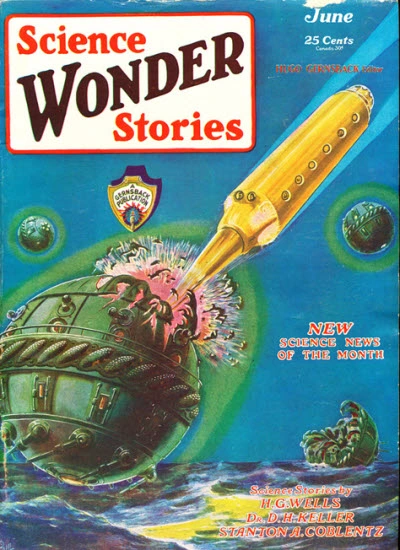
Another vintage pulp magazine:

Science Wonder Stories, Vol. 1, No. 2

Amazing Stories Vol.1

Astounding Stories of Super-Science, Vol. 1, No. 1

Original Dynamic Science Fiction issue at the Internet Archive.

Disclaimer: The story featured on this page is in the public domain. However, the original authorship, magazine credits, and any associated illustrations remain the property of their respective creators, illustrators and publishers. This material is provided for informational and educational purposes only and may not be used for commercial sale.

Scroll to Top