The Evil Clergyman by H.P. Lovecraft: Review & PDF

Title: The Evil ClergymanÂ
Author: H.P. Lovecraft
Original Publication: Weird Tales (Vol. 33, No. 4)
Release Date: April, 1939
Editor: Farnsworth Wright
Publisher: (Popular Fiction Publishing)
Illustration: Yan Viana
Genre / Subgenres: Horror / Weird Fiction
Copyright Status: Public Domain (Free Download Available)
Format & Availability: Article Review + Complete PDF Edition
Affiliate Link: The Thing on the Doorstep and Other Weird Stories (Penguin Classics) (As an Amazon Associate, I earn from qualifying purchases)
The complete text of “The Evil Clergyman” and its free PDF version are available at the bottom of this article. Click here to skip to the download section.
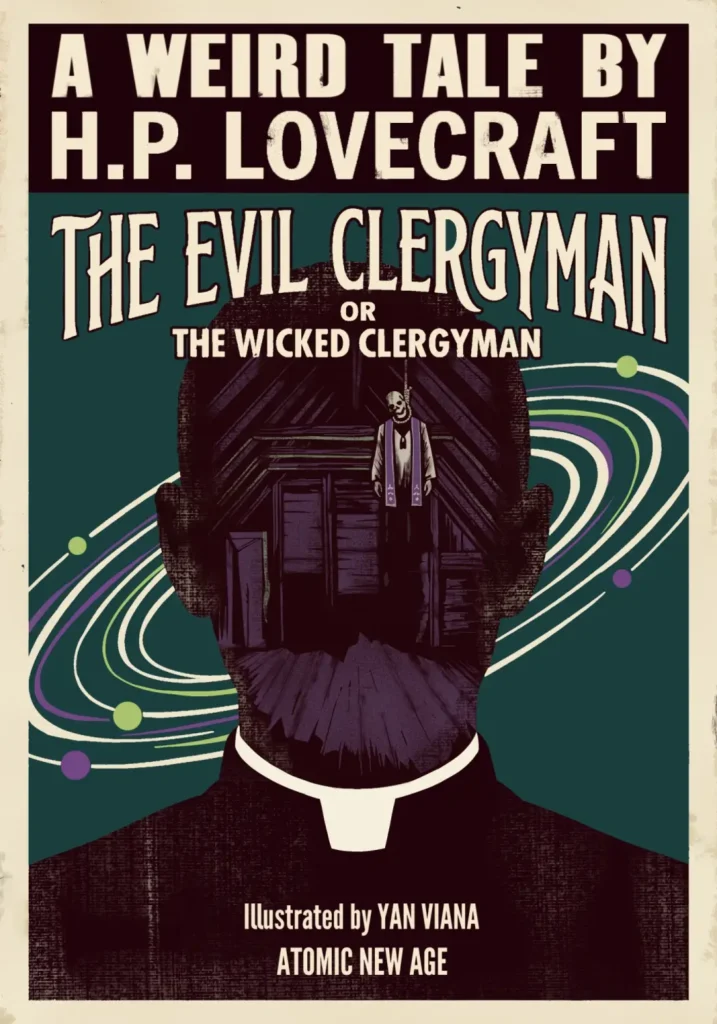
The Evil Clergyman, also known as The Wicked Clergyman, is a short story written by H.P. Lovecraft, taken from a letter the author wrote in 1933 and sent to Bernard Austin Dwyer. The text was published in Weird Tales in 1939 and, interestingly, was adapted into a film called Pulse Pounders, which was never released. The story itself is a sort of transcription of one of the author’s dreams, which by this point had already become his main source of ideas.
Keep reading if you want a more detailed review with spoilers, or skip to the bottom of the page to download the full text and read it yourself.
Plot of "The Evil Clergyman"
A man is taken to an old attic in a small port town. The room once belonged to a clergyman who, according to his guide, did something abominable. It still contains books on magic and a strange object on the table, which everyone avoids looking at. Despite being warned to leave everything as it is and go before dark, the visitor gives in to curiosity.
Lovecraft and the Logic of Dreams
Lovecraft was a born dreamer. We often see the author attribute the concepts behind his stories to dreams he had. He even claimed that he wrote part of Nyarlathotep while sleepwalking. And indeed, we can see an aspect of this in the narrative through a character who “knows” what to do without knowing why. The town itself is an unnamed “small port town”, while the device and the violet lantern appear without any explanation. This is the famous logic of dreams. Even the way the narrator and the clergyman become confused with one another follows this logic. The character is dealing with himself, but outside himself.
The Ultimate Guide to Lovecraftian Gods and Cosmic Creatures
There seems to be a desire for death within the narrator, acted out through an external “self” so that he can watch his own end. However, he fails to do so, perhaps because it is merely a repressed desire. I don’t know, I’m just analysing the possibilities behind such a strange and personal transcription by the author, since this is essentially a sketch of a dream.
Character and Setting
Narrator: Unnamed, as usual, a visitor and scholar who enters the attic. In practice, he is almost certainly the author himself as he appears in his dream.
The Grey-Haired Man: The guide who leads the narrator to the attic and warns him about what he must not touch.
The Wicked Clergyman: An Anglican clergyman in his thirties, with a high forehead and steel-rimmed glasses. He is a magician and the central figure of the legend.
Attic: The story takes place in an attic in an unnamed port town. Although it is included in the author’s Dream Cycle, there is nothing to indicate that it takes place in the Dreamlands. The action occurs at dusk, and the text suggests an age of electricity, giving it a contemporary feel.
The Evil Clergyman and The Story as a Dream
The editions vary in their titles (“The Evil Clergyman” or “The Wicked Clergyman”) as well as in the text. I’m not entirely sure whether August Derleth had a role in editing the published version; I’d have to check a critical edition to be certain. Still, it is interesting that this text simply offers no explanation for anything. It wasn’t meant to, obviously. As mentioned earlier, this is a description of a dream. We can agree that this is its weakest aspect, since there is little development of the characters or events presented.
There is a subject that appears here which seems to have been of great interest to the author: the exchange of bodies, or this sense of depersonalisation. Lovecraft has a significant number of stories in which characters discover that they are not who they thought they were, along with literal exchanges of bodies, where one person takes over another person’s body, and even the persistence of a person’s body beyond death, as we see in The Outsider, Cool Air and The Thing at the Doorstep.
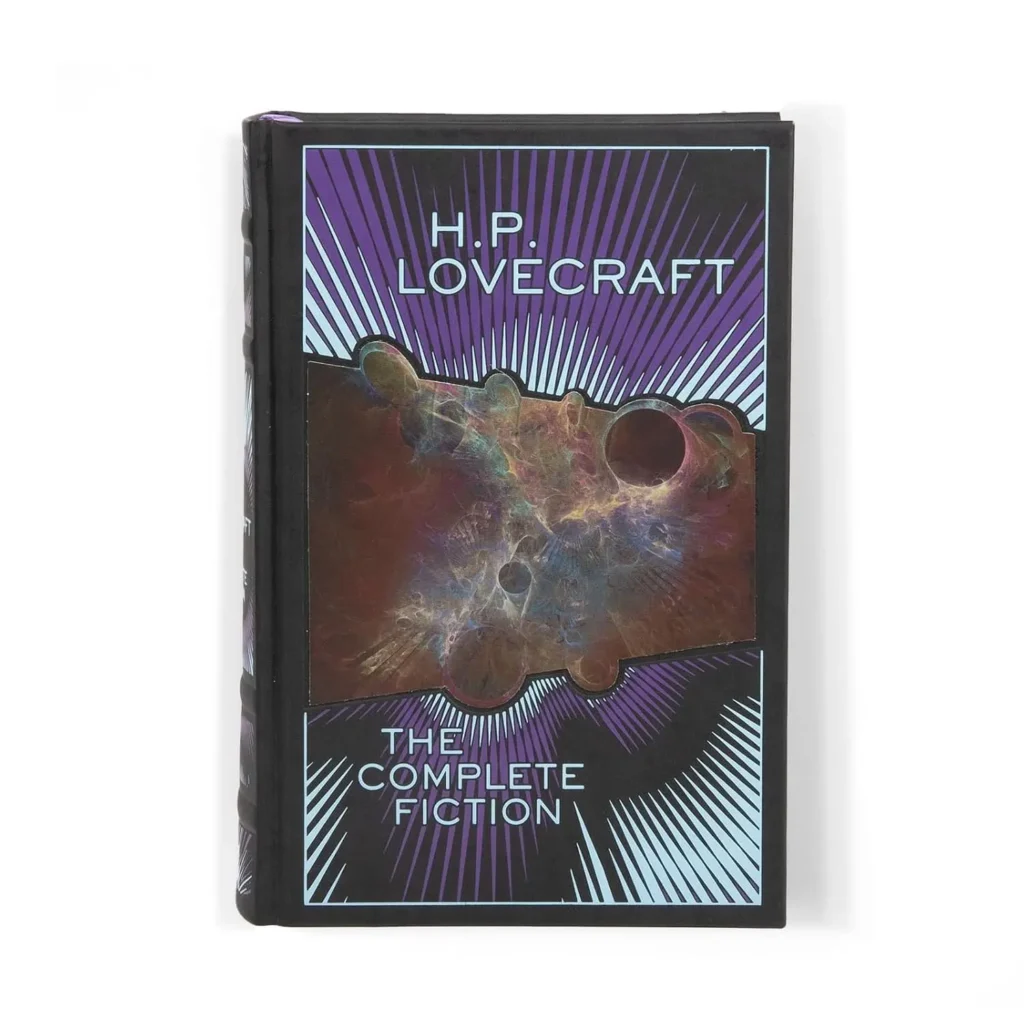
H.P. Lovecraft: The Complete Fiction
Add to Your Collection (Hardcover, Audiobook or Kindle Edition)
A massive hardcover volume spanning over 1,100 pages that gathers all of Lovecraft’s canonical fictional works in one place.Â
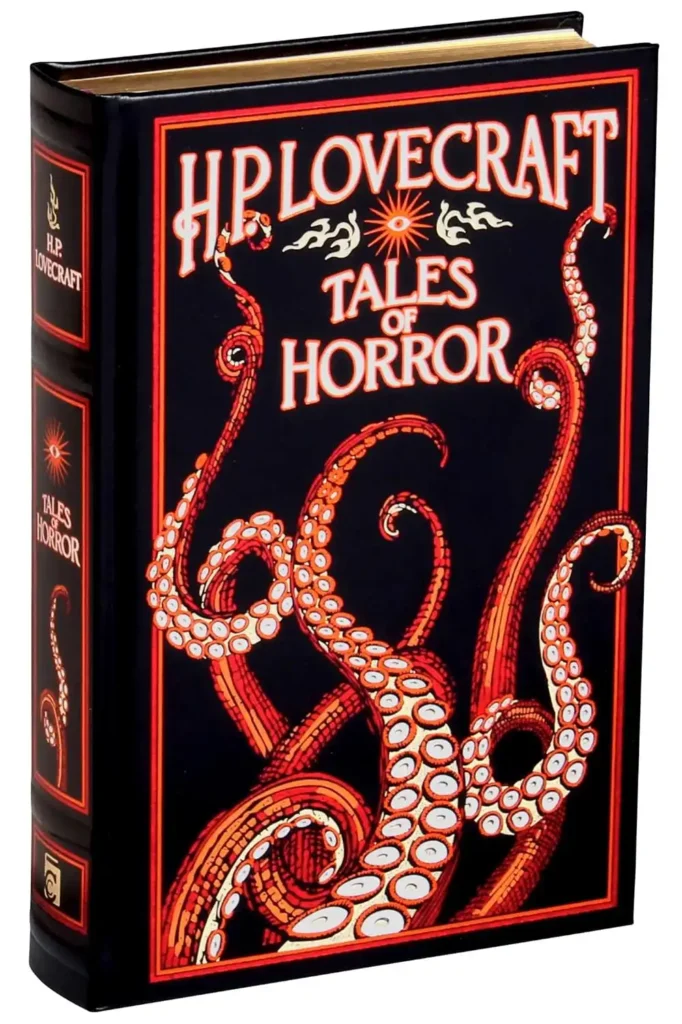
H. P. Lovecraft: Tales of Horror (Leather-Bound Classics)
Add to Your Collection (Hardcover or Kindle Edition)
If you love the feel of a real book or want a beautiful physical edition with exclusive cover art for your bookshelf:
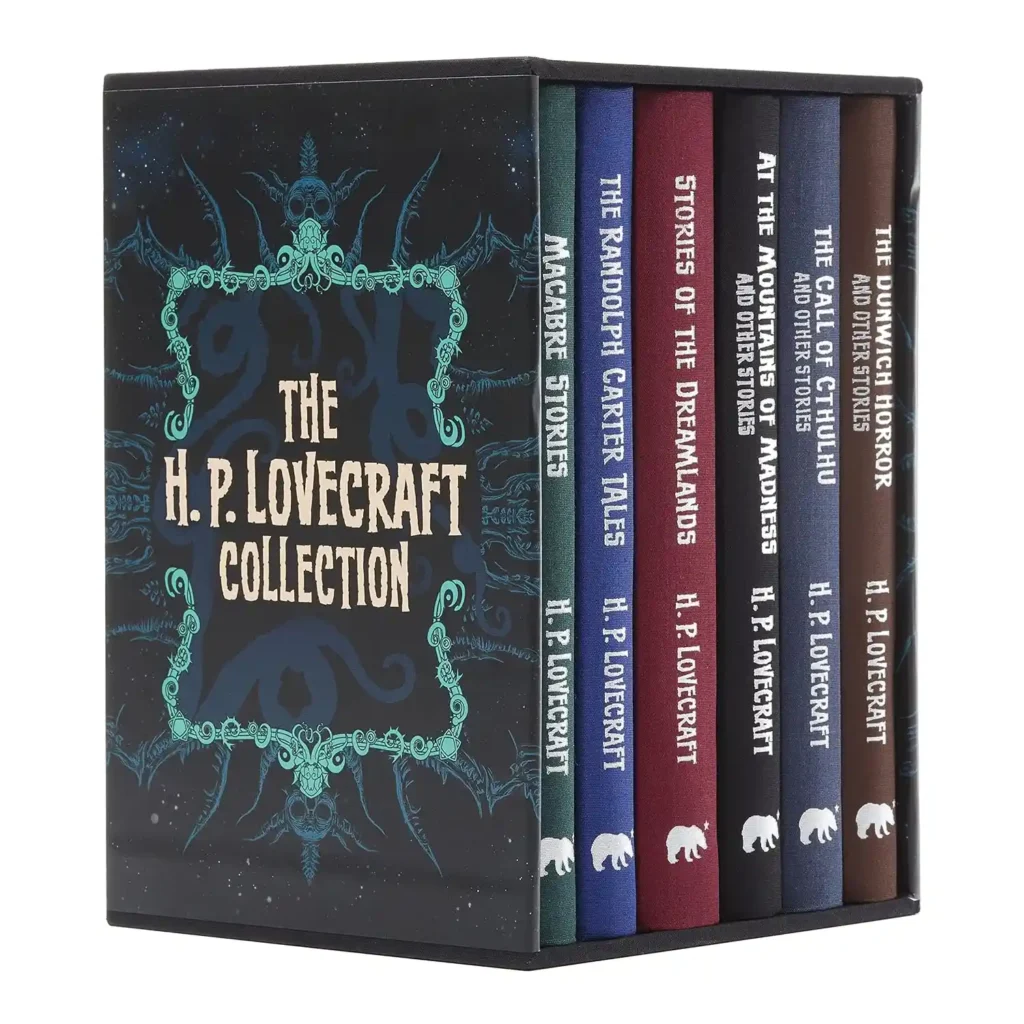
The H. P. Lovecraft Collection: Deluxe 6-Book Hardcover Boxed Set (Arcturus Collector’s Classics)
Add to Your Collection (Hardcover or Kindle Edition)
Multi-volume paperback or hardback boxed sets split the mythos into thematic chunks like Macabre Tales and Stories of the Dreamlands, making them easier to hold than a 1,000+ page brick.Â
(As an Amazon Associate, I earn from qualifying purchases)
The Evil Clergyman PDF and Download
This work was originally published in 1939 and is in the public domain according to current legislation. However, the original authorship, magazine credits, and any associated illustrations remain the property of their respective creators, illustrators and publishers. This material is provided for informational and educational purposes only and may not be used for commercial sale.