Atomic New Age

The Moon-Bog by H.P. Lovecraft: Review & PDF

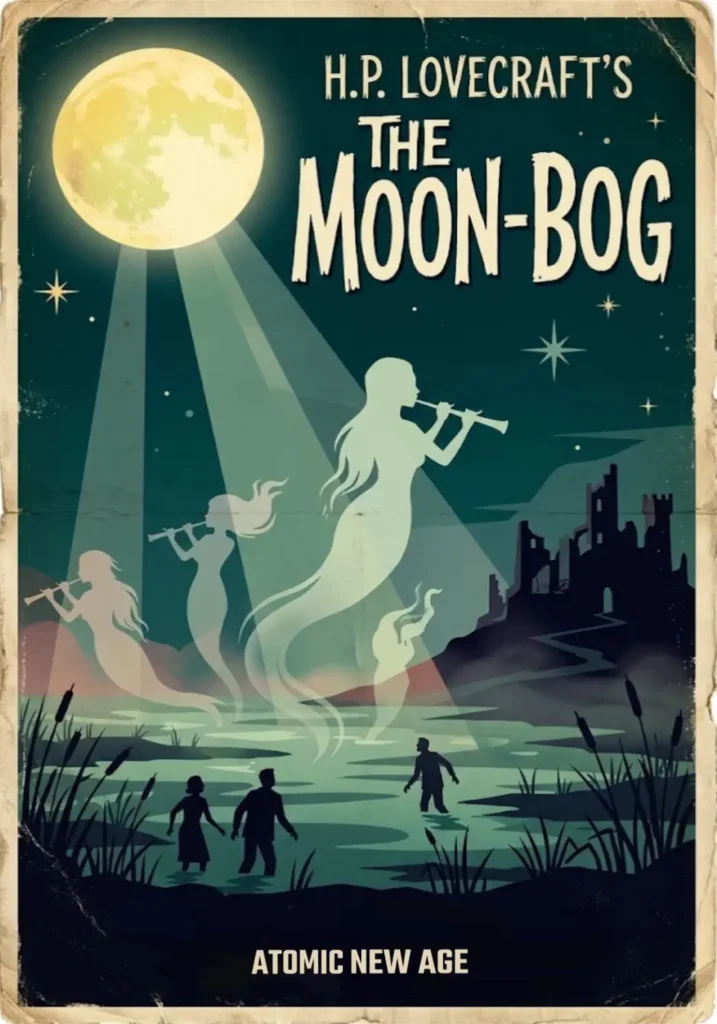
Cover of The Moon-Bog short story written by H.P. Lovecraft

Title: The Moon-Bog


Author: H.P. Lovecraft


Original Publication: Weird Tales (Vol. 7, No. 6)


Release Date: June, 1926


Editor: Farnsworth Wright


Publisher: (Popular Fiction Publishing)


Illustration: Yan Viana


Genre / Subgenres: Folk Horror / Weird Fiction


Copyright Status: Public Domain (Free Download Available)


Format & Availability: Article Review + Complete PDF Edition


Affiliate Link: The Thing on the Doorstep and Other Weird Stories (Penguin Classics) (As an Amazon Associate, I earn from qualifying purchases)


The complete text of “The Moon-Bog” and its free PDF version are available at the bottom of this article. Click here to skip to the download section.

The Moon-Bog is a short story written by H.P. Lovecraft and published in Weird Tales in 1926. The story came out of an occasion connected to St Patrick’s Day among friends from Boston’s amateur journalism community. It was basically an internal competition in which each member submitted a piece of writing. Unfortunately, Lovecraft did not win, despite his story being very well received. The Moon-Bog belongs to his early 1920s period, when he was heavily influenced by Lord Dunsany and Gothic horror, before he consolidated the Cthulhu Mythos.

Keep reading if you want a more detailed review with spoilers, or skip to the bottom of the page to download the full text and read it yourself.

Complete H.P. Lovecraft List of Stories by Releasing Date

Plot of "The Moon-Bog"

Denys Barry, an Irishman who made his fortune in America, buys back his ancestral castle in Kilderry, County Meath. He enthusiastically restores it, but the peasants begin abandoning the area, fearing a curse connected to the great bog that Barry wants to drain.

The Local Legend Formula

This story is part of the author’s early run of stories inspired by folklore, local legends and small communities. You will see this structure repeated fairly often in his work. The first part introduces us to a sceptical narrator entering a different “world”, usually sceptical at first. Night after night, or event after event, he is exposed to a ghostly truth that inhabits the place.

It works well. It keeps you intrigued, and this local-legend style of storytelling can be very compelling. There are some problems attached to it, though, starting with the predictable “he ignored the curse and paid the price” plot. For anyone who has already read The Rats in the Walls, the rhythm feels more familiar and less ferocious. It also raises certain questions which, obviously, will not be answered. For example, why is our narrator the only one having these visions? Why did the “goddess” and the city only react now? In the end, it comes down to the convenience of things deciding to happen just when the narrator arrives to witness them.

The Ultimate Guide to Lovecraftian Gods and Cosmic Creatures

Another thing I consider a weakness in Lovecraft here is how little substance Barry has as a character. I mean, he doesn’t even compare with Erich Zann or Pickman, for example. The character’s final appearance feels somewhat irrelevant, when the author could have spent more time developing his personality, even if he were simply the stereotypical greedy man. By the middle of the story, I’d almost forgotten about him, so his final appearance had almost no impact. You barely feel that his punishment came as a consequence of his arrogance.

We can give him some leeway, since this story was written fairly early in Lovecraft’s literary career and was clearly produced simply to fulfil the requirements of a story written for that competition, which was inspired by St Patrick’s Day (hence Ireland as the setting). If it had been written later, this would almost certainly have been a story divided into four parts. One for the introduction, then three more for each of the visions during the night. Between the nights, he would have spent long paragraphs talking about the local legend, the village and, for God’s sake, Barry.

Character and Setting

The Narrator: An old friend of Barry’s, a sceptic with a classical education and an interest in “ghosts”. He becomes the witness to the events.

Denys Barry: A wealthy Irish-American who buys back his ancestral castle beside a bog. He is rational, materialistic and dismissive of the local legends.

The “Bog-Wraiths”: White, translucent spectres resembling naiads, who lead men towards the bog.

The Goddess and Cleis: The goddess of the moon and Cleis appear only in dreams. Cleis is the elderly priestess of Artemis, who dies in the temple when the city is buried.

Kilderry, County Meath, Ireland: A village with a restored Gothic castle, situated far from the railway.

Ireland, Folklore and Lovecraft

In 1921, Ireland was living through the Irish War of Independence (1919–1921), with a truce beginning in July of that year. The Irish Literary Revival, represented by figures such as Yeats, Lady Gregory and Lord Dunsany, placed great value on folklore and ancient legends, and Lovecraft was a reader of Dunsany. We could say that much of what the author created came directly from Dunsany’s texts. Here, however, the influence is less obvious than in his dream stories. What we have here is something more supernatural, with “ghosts” playing a major role.

In the Lebor Gabála Érenn (The Book of Invasions), Partholón arrives in Ireland from Greece, according to some versions, and his people die of plague in Tallaght. Lovecraft invents a city that “escaped” this fate and connects it to the moon. It is a typical trick of his: anchoring the fiction to a detail that the reader can look up, especially a mythological one, to give the story an added sense of history.

The combination of Ireland and Greece, which gives the story much of its flavour, comes in large part from The Book of Invasions itself, since Partholón is presented as Greek. This provides the justification for Artemis, Demeter and Cleis to appear in an Irish bog

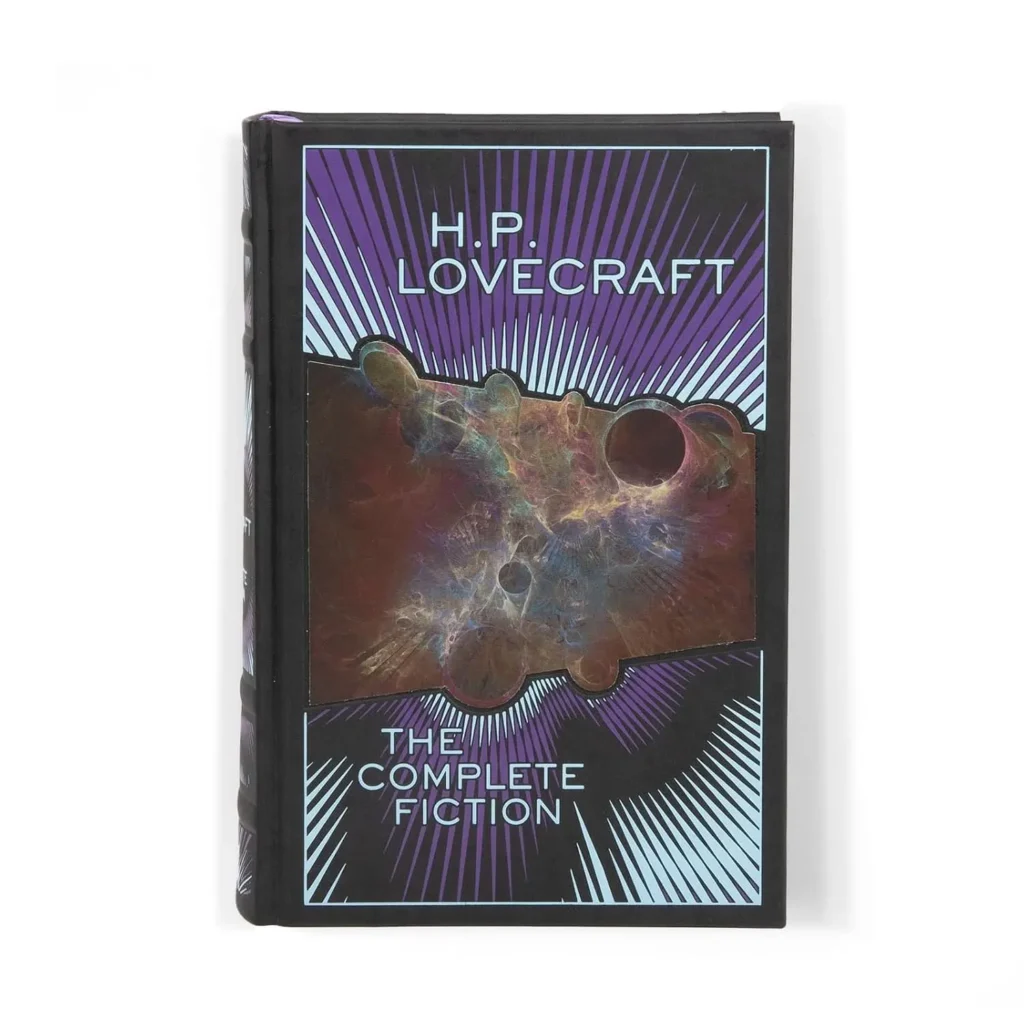
H.P. Lovecraft: The Complete Fiction


Add to Your Collection (Hardcover, Audiobook or Kindle Edition)

A massive hardcover volume spanning over 1,100 pages that gathers all of Lovecraft’s canonical fictional works in one place. 

🛒 Check special editions on Amazon

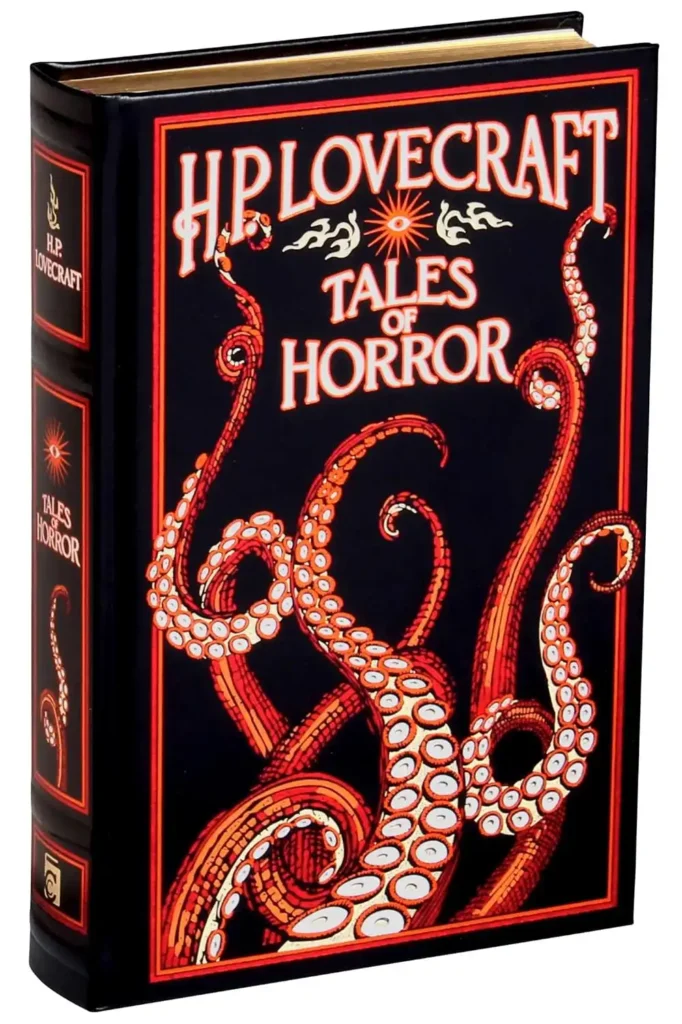
H. P. Lovecraft: Tales of Horror (Leather-Bound Classics)


Add to Your Collection (Hardcover or Kindle Edition)

If you love the feel of a real book or want a beautiful physical edition with exclusive cover art for your bookshelf:

🛒 Check special editions on Amazon

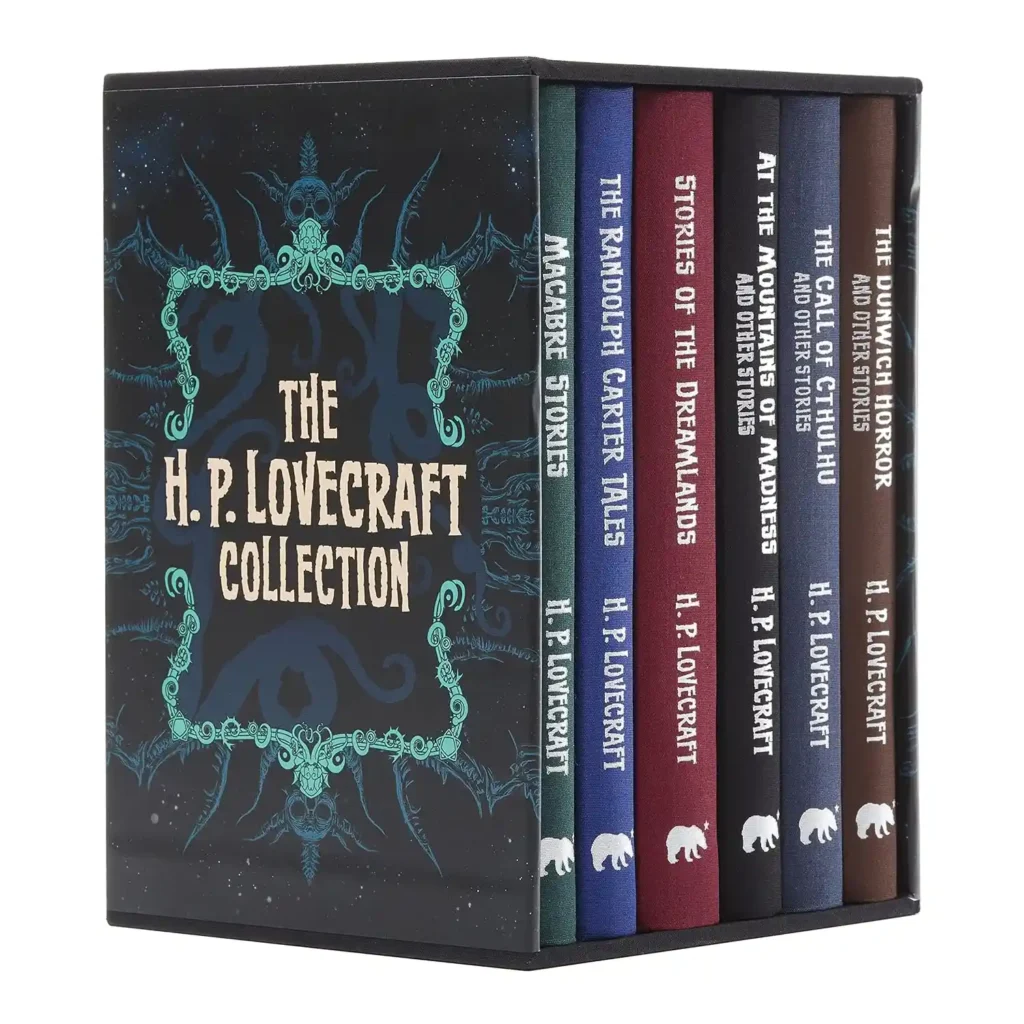
The H. P. Lovecraft Collection: Deluxe 6-Book Hardcover Boxed Set (Arcturus Collector’s Classics)


Add to Your Collection (Hardcover or Kindle Edition)

Multi-volume paperback or hardback boxed sets split the mythos into thematic chunks like Macabre Tales and Stories of the Dreamlands, making them easier to hold than a 1,000+ page brick. 

🛒 Check special editions on Amazon

(As an Amazon Associate, I earn from qualifying purchases)

The Moon-Bog PDF and Download

This work was originally published in 1926 and is in the public domain according to current legislation. However, the original authorship, magazine credits, and any associated illustrations remain the property of their respective creators, illustrators and publishers. This material is provided for informational and educational purposes only and may not be used for commercial sale.

Cover of The Moon-Bog short story written by H.P. Lovecraft

The Moon-Bog – H.P. Lovecraft | Review & PDF

The Moon-Bog by H.P. Lovecraft: Review & PDF Title: The Moon-Bog Author: H.P. Lovecraft Original Publication: Weird Tales (Vol. 7, ...
/
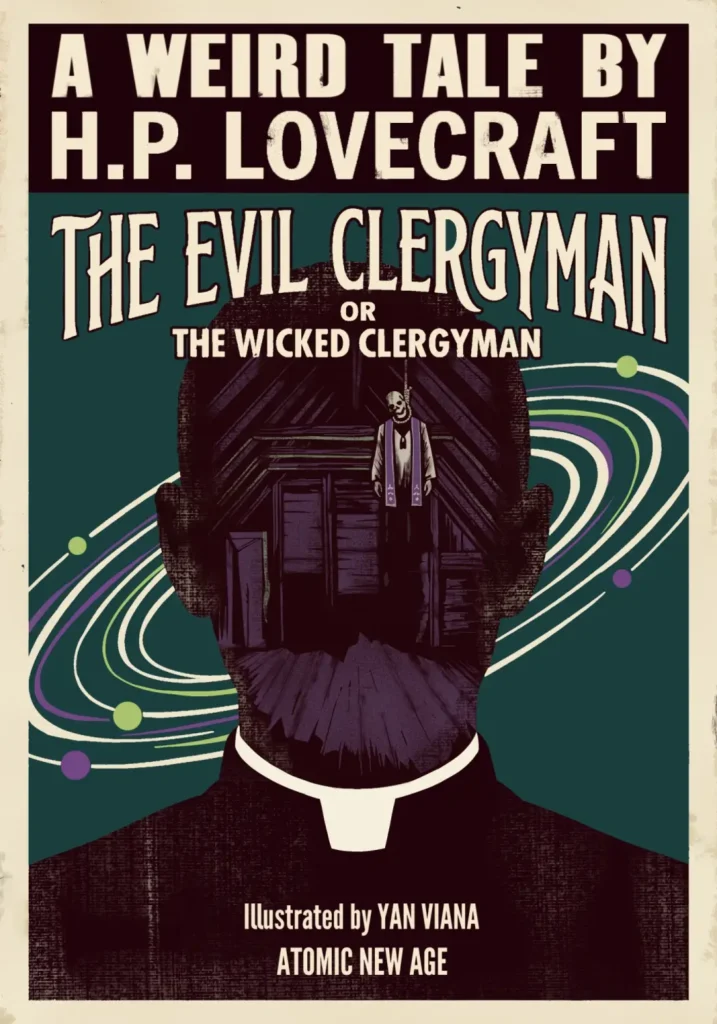
Cover of The Evil Clergyman written by H.P. Lovecraft

The Evil Clergyman – H.P. Lovecraft | Review & PDF

The Evil Clergyman by H.P. Lovecraft: Review & PDF Title: The Evil Clergyman Author: H.P. LovecraftOriginal Publication: Weird Tales (Vol. 33, ...
/
Cover of The silver Key by H.P. Lovecraft

The Silver Key – H.P. Lovecraft | Review & PDF

The Silver Key by H.P. Lovecraft: Review & PDF Title: The Silver KeyAuthor: H.P. LovecraftOriginal Publication: Weird Tales (Vol. 13, ...
/
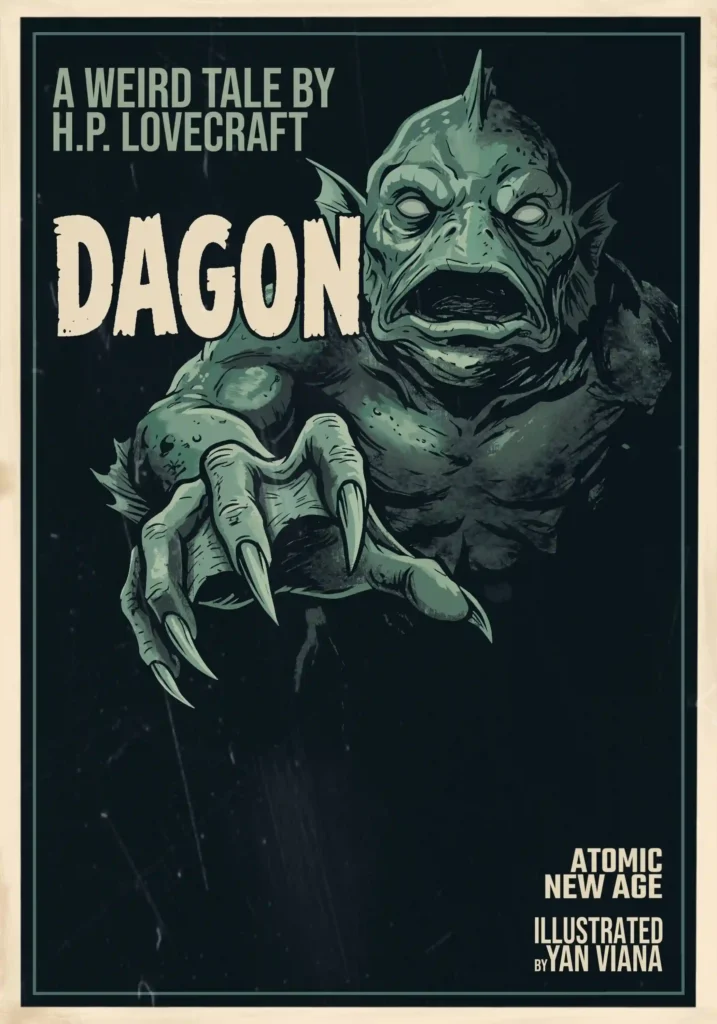
A cover poster of the short story Dragon by H.P. Lovecraft, depicting a sea creature Deep one Dagon

Dagon – H.P. Lovecraft | Review & PDF

Dagon by H.P. Lovecraft: Review & PDF Title: DagonAuthor: H.P. LovecraftOriginal Publication: The Vagrant (Issue #11)Release Date: November, 1919Editor: W ...
/
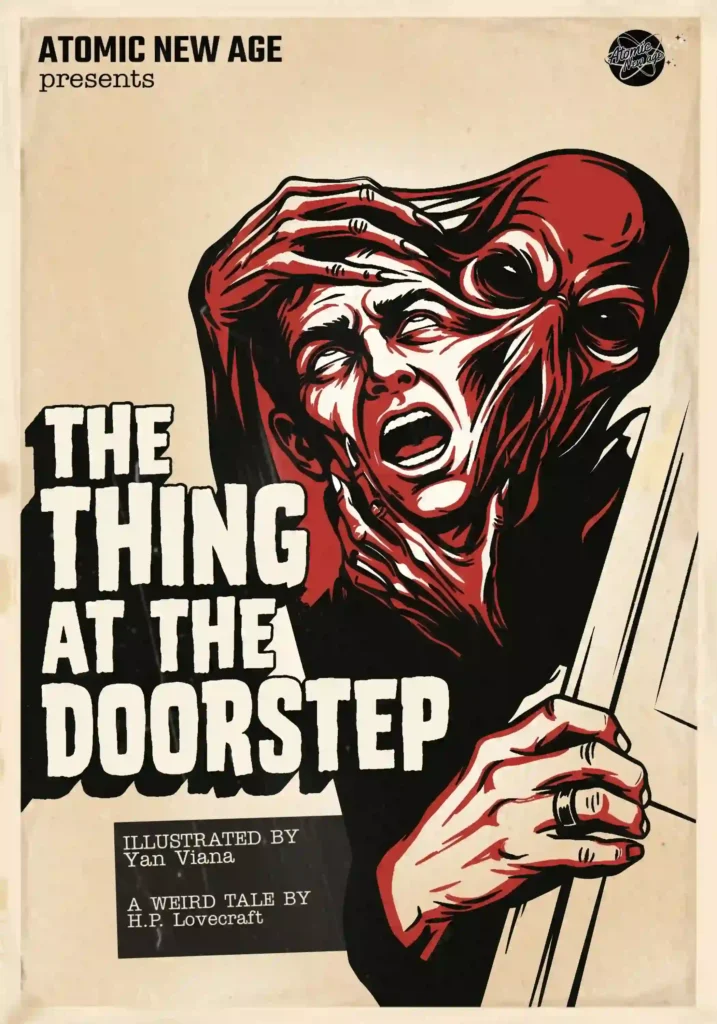
Cover of Thing at the doorstep by H.P. Lovecraft

The Thing at The Doorstep by H.P. Lovecraft

The Things at The Doorstep by H.P. Lovecraft: Review & PDF Title: The Thing at The Doorstep Author: H.P. LovecraftOriginal Publication: ...
/
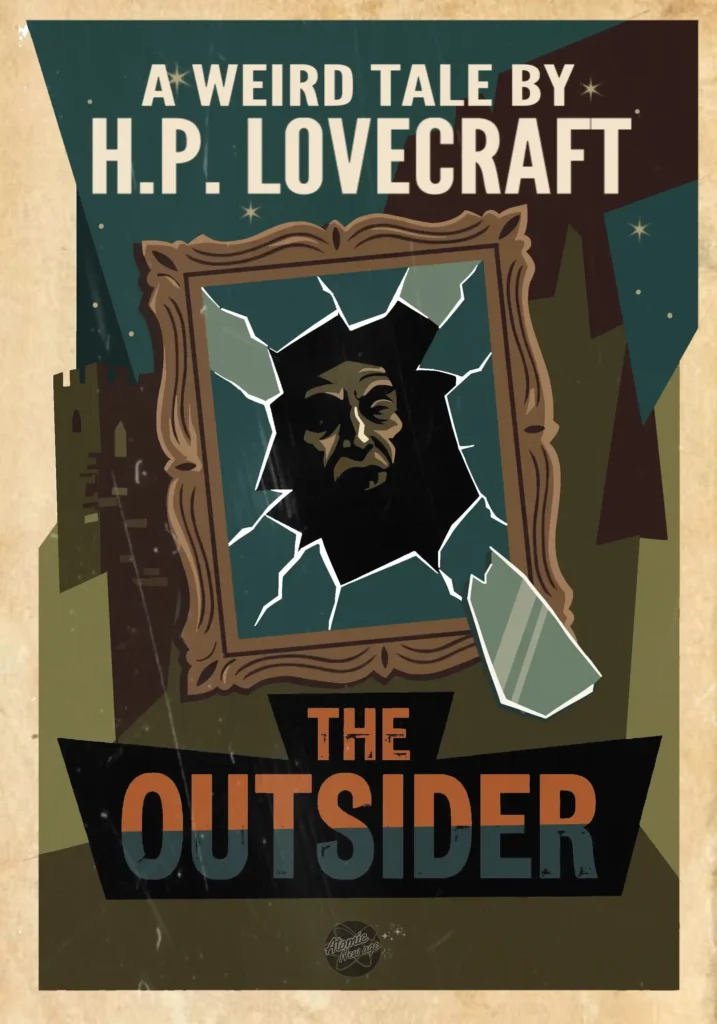
Cover of The Outsider by H.P. Lovecraft

The Outsider by H.P. Lovecraft: Review and PDF

The Outsider by H.P. Lovecraft: Review and PDF Title: The Outsider Author: H.P. LovecraftOriginal Publication: Weird Tales (Vol. 7, No. 4)Release ...
/
Scroll to Top